
by Peter John. Brooks
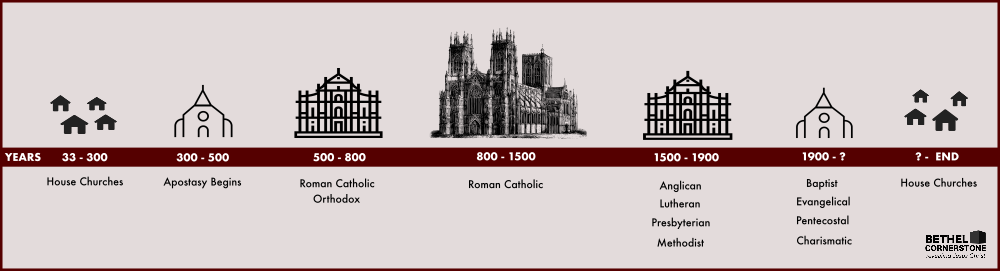
Church history is fascinating. It shows the many changes that happened to the church over the centuries as they were first faithful to God, then deviated drastically from his word, and finally began to come back to him.
The history of the church begins with the book of Acts and shows how God’s people began serving Jesus after his resurrection. The early Christians were filled with the Holy Spirit, and they transformed cities and nations by God’s power. This beginning was glorious.
The First House Churches
The early church met in homes. In houses they broke bread together (Acts 2:46), had participatory meetings (1 Cor. 14:26), grew in their spiritual gifts, and shared life together. The apostles never built church buildings. They never instructed anyone to build church buildings. Church buildings were not constructed until approximately 2 centuries after the apostles died.
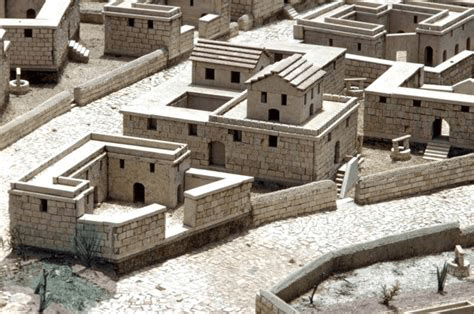
The church met in houses throughout the New Testament (see Rom. 16:5, 1 Cor. 16:19, Col. 4:15, Philemon 2).
The Origin of Church Buildings
As time went on, a new generation of Christians arose who were not as devoted to Jesus as the first apostles. They began leaving the word of God and introduced man-made religious practices into church.
Throughout the 2nd century and 3rd centuries, this apostasy continued. By the 4th century, the Roman Emperor Constantine supposedly converted to Christianity. He allowed pagan rituals to dominate the church. These practices began to overshadow the commands of the New Testament.
As the church apostasized, they abandoned house churches, and they began building religious buildings which wete found nowhere in the New Testament.
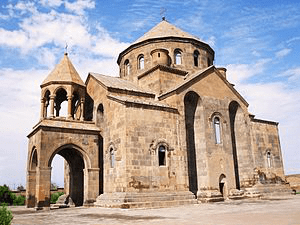
At first church buildings were relatively simple, with little adornment.
The Rise of Architecturally-Complex Cathedrals
As the centuries went on, bigger and bigger church buildings were built. Pagan temples were even converted into church buildings. People thought the presence of God dwelled in these buildings. Peasants travelled long distances to be awed by the powerful architecture of these religious structures.
However, God said, “The Most High God does not dwell in temples made with hands” (Acts 7:48).
Throughout the Middle Ages, the Roman Catholic Church built bigger and bigger cathedrals, spending huge amounts of money.
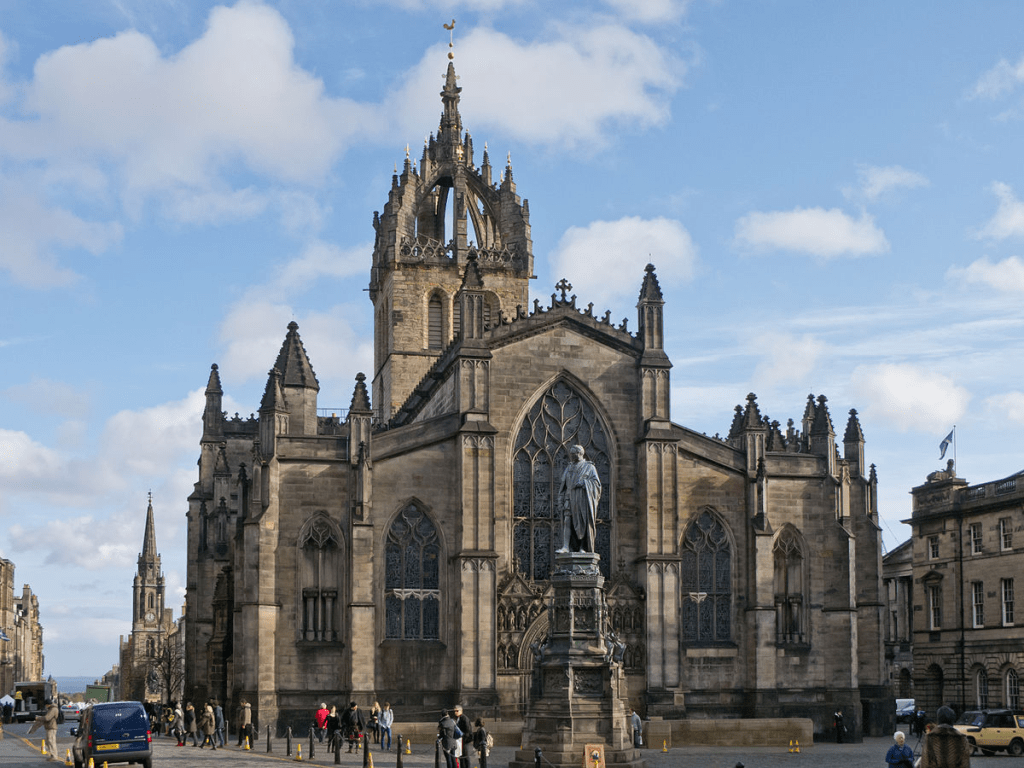
At the same time, the Catholic Church persecuted, tortured, and murdered true Christians. They banned and destroyed Bibles. These massive cathedrals were the pinnacle of church architecture, reflecting the pinnacle of apostate Christendom.
The First Protestant Church Buildings – Getting back to Simplicity
Martin Luther threw off the yoke of Roman Catholicism and founded the Lutheran church. After Luther, John Calvin formed the Presbyterian Church. The Church of England arose. Later, John Wesley and the Methodists continued the Reformation.
These Reformation movements forsook some traditions of men and accepted more of the word of God.
However, the truth recovery in each of these groups was limited.
This limitation of truth recovery among these first Protestant groups was represented by the way they built their church buildings.

They still built church buildings, but they were less ornate than Roman Catholic cathedrals. However, their buildings were still very ‘religious’. This is an architectural representation of the fact that these early Protestant churches recovered some truth, but they didn’t go all the way.
Modern Church Buildings Become Simpler
Later, other Protestant groups arose. Baptists, Evangelicals, Pentecostals, and Charismatics eliminated further human traditions from Christian practice and accepted more of the word of God.
Unlike their early Protestant predecessors, these new groups recognized truths like the need to be born again and the need to be baptized as a believer. Some of these groups recovered the baptism in the Holy Spirit and spiritual gifts.
Their religious buildings became simpler and simpler.
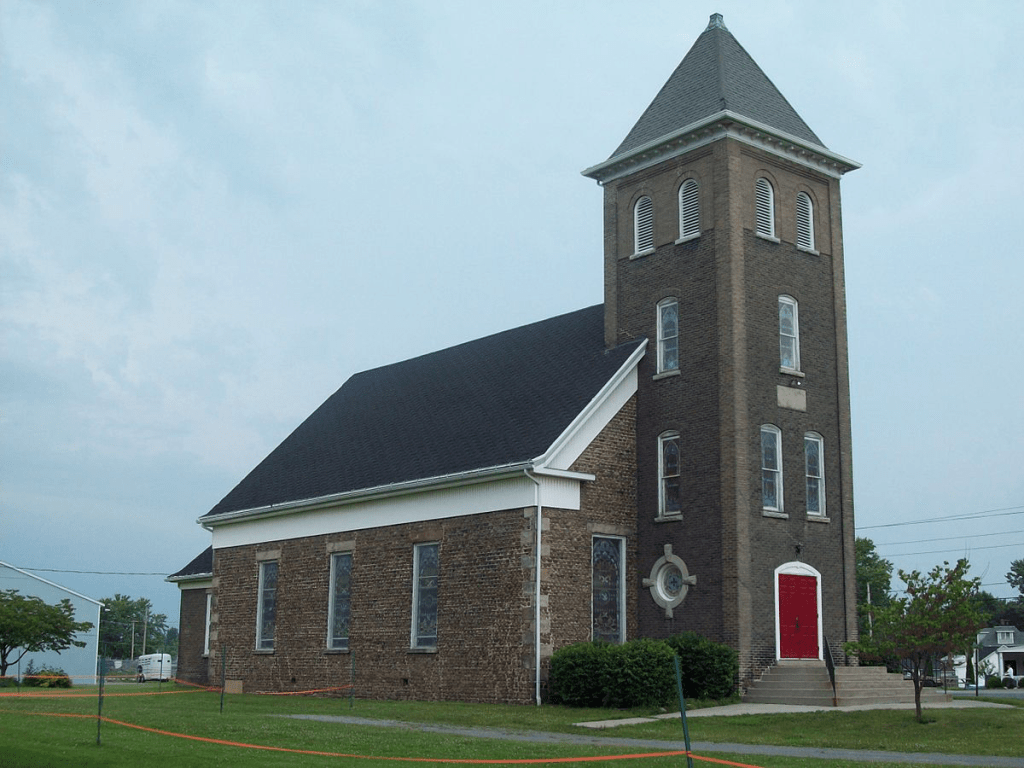
The relative simplicity of their church architecture reflected a gradual return to the simple faith of the New Testament.
Recovering the House Church
The restoration of the church is still continuing today. Now, some believers have abandoned church buildings completely, recognizing that these are not based on the New Testament. They are again meeting for church in homes like the first Christians.
The trajectory toward house churches is inevitable as God’s faithful people continue recovering the word of God and abandoning the traditions of men.

Church history will continue in this direction. It will culminate when the glorious bride of Christ is manifested upon the earth. The bride of Christ will only reach maturity and preparation for the wedding supper by adhering to the apostolic teachings of the New Testament. This includes rejecting church buildings and only meeting for church in homes.

