
by Peter John Brooks
Years ago, archeologists discovered Peter’s house in Capernaum. Upon excavation, this ancient house revealed interesting insights into church history.
Peter’s house was two doors down from the synagogue in Capernaum. Jesus started his ministry in this synagogue (Mark 1:21). In Capernaum Jesus called his first disciples to follow him (Mark 1:16–20). He healed many sick people (Mark 3:1–5).
In this photo, the site of the Capernaum synagogue is on the right. Peter’s house site is on the far left.
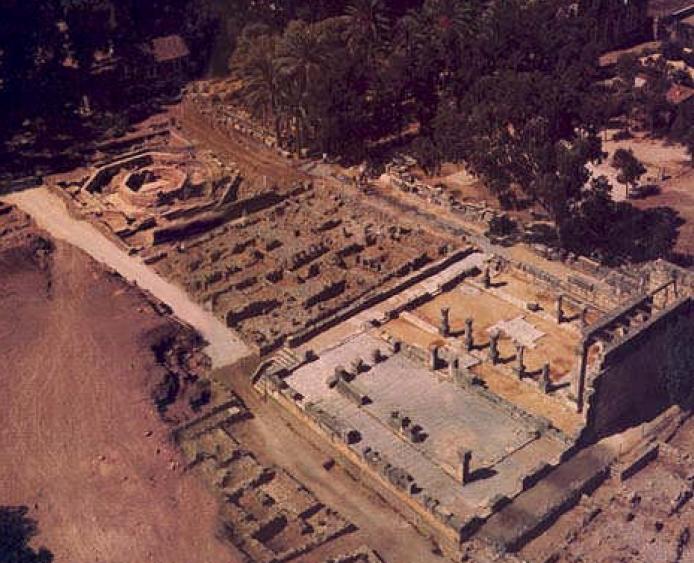
Peter’s house was an early Christian center. Jesus ministered in Peter’s house at Capernaum (Matthew 8:14–16). Many people were healed, heard the word of God, and experienced miracles in Peter’s house.
Archeological excavation has revealed the layout of Peter’s house when Jesus visited. It was a simple house, like many other houses in the area.
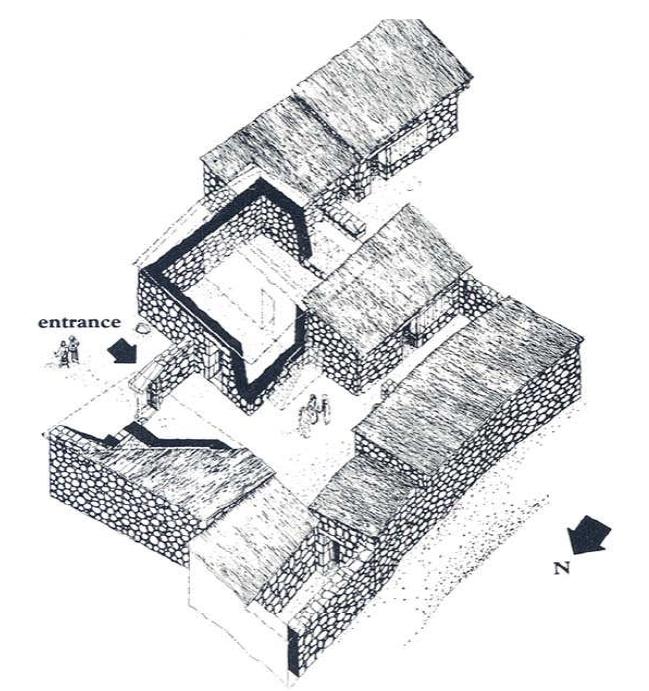
Here’s a diagram of the interior of Peter’s house. It was comprised of rooms and courtyards, with open and closed spaces. It occupied a fairly large space, roughly 75 feet by 75 feet.
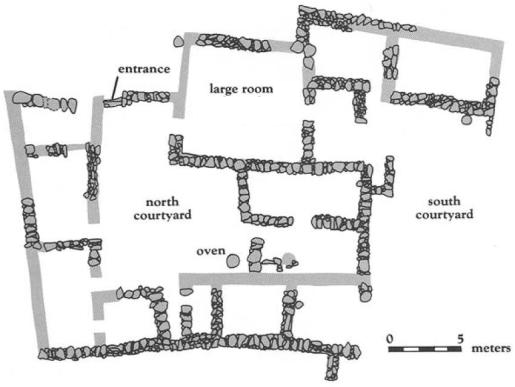
After the resurrection of Christ and the birth of the church, archeology reveals that some changes were made to Peter’s house. Rooms became larger. Some rooms were plastered. The house contained large oil lamps and large vessels to hold food.
In the New Testament believers met in house churches to worship God, minister to each other, and to share meals. Often, they lived together in house churches. They shared things and worked together.
The changes to Peter’s house and the discovery of unusually large vessels to hold food reveal that Peter’s house had been turned into a place not just for one family, but a place for larger gatherings, communal meals, and community-living. It had most likely become a home for house church community.
The following diagram shows some of these developments.
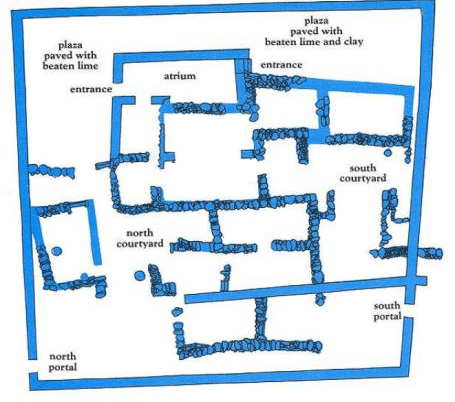
However, this wasn’t the end of the changes to Peter’s house. As centuries passed, Peter’s house was developed even more.
By 450 AD, Peter’s house was transformed into a basilica. Peter was dead, and so was the apostolic model of house church. Peter’s house was no longer a house that people lived in, but it was a religious structure that was used for occasional religious services.

The ruins of the circular basilica built on top of Peter’s house are seen in the photos below.
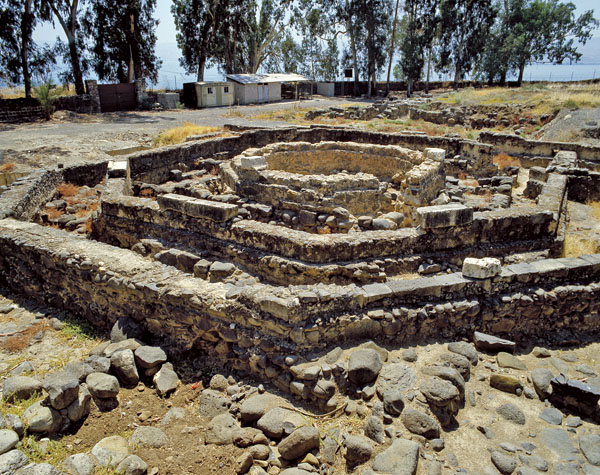
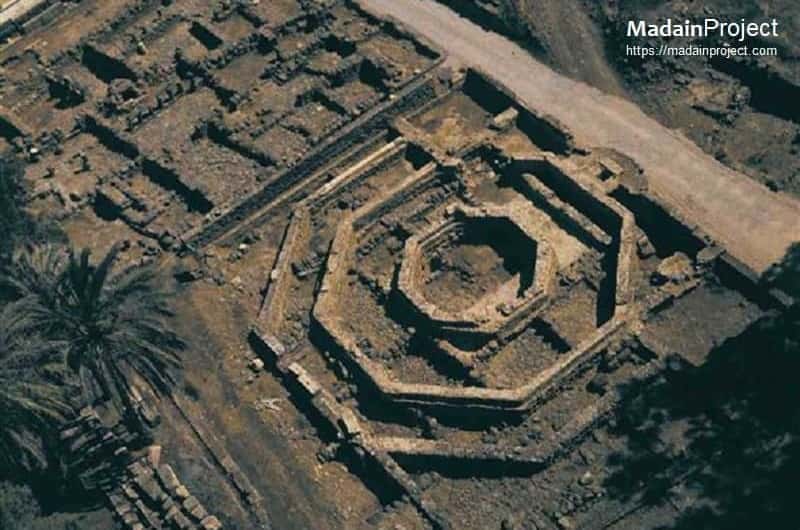
Peter’s house underwent two periods of distinct change. During the first century, probably while Peter was still alive, his house was transformed from a residence for one family into to a house for a community of Christians. This initial transformation followed the apostolic model of house church community, and was a reflection of obedience to God.
But after Peter’s death, his house was gradually transformed from a house for people to live in, into a basilica. This second transformation reflected abandonment of apostolic teachings, for the New Testament never tells us to build religious buildings.
The transformation of Peter’s house – first into a home for a house church community, and second into a basilica – mirrors the history of the church from its birth to AD 450. During that time period, the church moved from from house church communities into religious buildings.
This move away from house church communities to religious buildings was costly. Church was no longer based on strong community, sharing, and close relationships. Instead, it became hierarchical, impersonal, and full of man-made religious rituals.
It’s time to get back to the model of house church community that was taught and lived by the first apostles, including Peter himself. Christian houses today can be remodeled like Peter’s house was during its first phase of change, when it was remodeled to accommodate a house church community. These Kingdom homes will become beacons of light in an increasingly dark world.
 Bethel Cornerstone